Dubai’s skyline is among the world’s most iconic glimmering towers of glass, steel, and innovation. But beyond aesthetics lies a crucial responsibility: safety. In a city where temperatures soar, winds climb, and urban spaces teem with people, construction standards have evolved to require safer, stronger materials especially glass. This post explains why toughened glass in Dubai isn’t just a design choice but, in many cases, a mandatory safety requirement.
Throughout this article, you’ll also find updated references to regulations, industry data, and performance insights from reputable sources.
1. UAE Safety Regulations (High-Level Overview)
Unified Building Safety Codes in the UAE
The UAE enforces stringent building safety regulations, overseen by federal and emirate-level authorities including Dubai Municipality, Dubai Civil Defence (DCD), and unified national construction safety guidelines. These standards ensure buildings are safe from structural, fire, and material hazards.
While detailed clauses vary across codes, a core principle is clear: materials used in construction must protect occupants and the public.
Safety Glass and Its Regulatory Standing
Though specific codes may not always state “toughened glass” explicitly, the requirement is rooted in safety glazing standards that mandate safer glazing where human occupancy or risk is higher — such as doors, low windows, balconies, and railings. Tempered or other safety glass types that meet these criteria are effectively compulsory in many applications.
In Dubai’s 2021 Building Code and safety practices documents, overall emphasis is placed on meeting performance and safety thresholds which toughened glass helps satisfy due to its strength and breakage behavior.
Government & Certification Requirements
Industry moves toward certification practices underscore this trend. For example, Emirates Glass LLC became the first glass processing company in the UAE registered with Dubai Civil Defence for safety glazing products, a clear sign that authorities are formalizing standards for high-performance glass.
2. What Is Toughened Glass and Why It Matters
Definition & Properties
Toughened glass, also known as tempered glass, is ordinary annealed glass that’s been heat-treated heated to very high temperatures and rapidly cooled to create internal stresses that make it significantly stronger and safer than regular glass.
Key features include:
- 4–6x stronger than regular glass of the same thickness.
- Breaks into small, blunt pieces rather than sharp shards, reducing injury risk dramatically.
- High thermal resistance, tolerating large temperature differentials without cracking.
- Resistance to impact and wind pressures, critical for high-rise facades.
How It Performs in Dubai’s Environment
Dubai’s climate intense heat, UV exposure, and sand abrasion demands materials that withstand thermal stress and environmental loads. Toughened glass is especially suitable because it resists these conditions far better than standard annealed glass.
Read also: What’s the Difference Between Toughened and Tempered Glass
3. Risks of Using Normal Glass
Human Safety Hazards
Standard annealed glass behaves dangerously under stress: when it fails, it typically breaks into large, jagged shards capable of causing serious or fatal injuries.
Toughened glass addresses this risk by breaking into small blunt pieces that significantly reduce the risk of cuts and trauma. Industry data indicate that toughened glass installations can reduce injury risk by up to 80% compared with ordinary glass in similar conditions.
Structural & Environmental Vulnerabilities
Normal glass is more prone to:
- Thermal shock, cracking under temperature swings.
- Wind and impact loads, especially dangerous in high-rise façades without reinforcement.
- Maintenance issues, from fast degradation in dusty environments to unexpected breakage.
In a city with thousands of glass surfaces from skyscrapers to residential towers opting for non-safety glass raises the stakes for both liability and public safety, making industry best practice lean toward toughened or laminated safety glass.
4. Commercial Examples of Toughened Glass Use
High-Rise Towers & Office Buildings
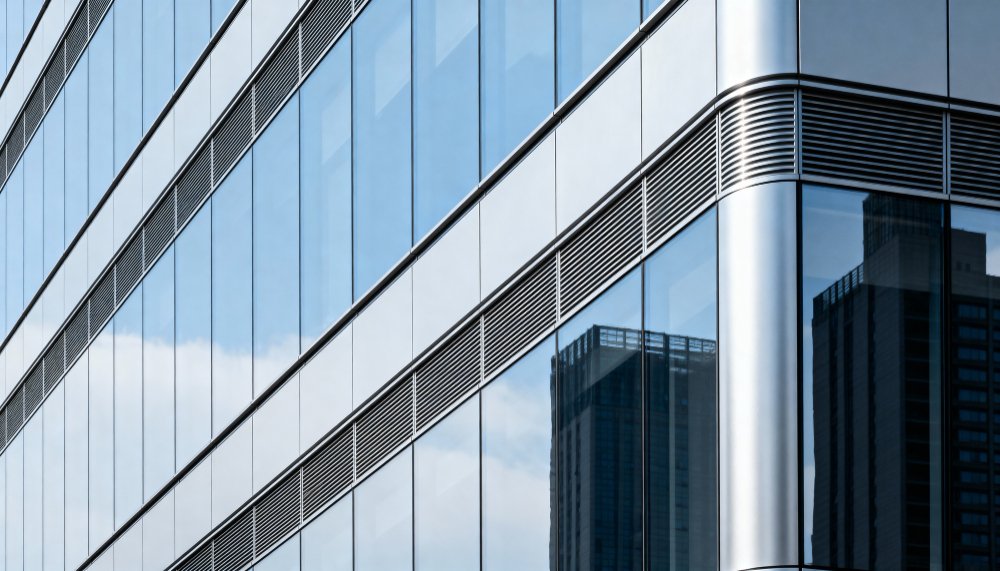
Dubai’s skyline including developments like Dubai Marina, Downtown Dubai, and Business Bay — showcases extensive glass façades. Toughened glass is widely used in:
- Curtain walls and façades to resist wind pressures on tall structures.
- Storefronts and commercial entrances where high foot traffic elevates risk.
This application not only enhances aesthetics but provides compliance with safety and energy efficiency goals (by reducing HVAC loads through better thermal performance).
Public Access Areas & Amenities
Commercial spaces — shopping malls, hotels, and transit hubs often employ toughened glass for:
- Lobby partitions and glazed corridors.
- Glass balustrades around mezzanines and atriums, where falls risk is significant.
- Glass canopies and skylights, balancing light, aesthetics, and safety.
In these settings, the safety value of toughened glass complements architectural ambitions and helps buildings meet occupant protection criteria.
5. Residential Applications & Considerations
Balconies, Railings & Staircases
Residential buildings often incorporate glass for modern open-plan living. In Dubai and UAE building practice:
- Glass balcony railings must meet specific safety standards, including minimum height and engineered resistance to loads.
- Tempered glass is often preferred or specified because its failure mode is safer than ordinary glass.
This trend aligns with broader safety mandates to mitigate hazards for children and family spaces.
Doors and Low Windows
Glass doors and windows that sit at accessible heights pose a risk if broken. Toughened glass mitigates these risks and in many cases satisfies local safety glazing requirements for hazardous zones.
6. Choosing a Glass Company in Dubai
Selecting the right glass company in Dubai isn’t just about aesthetics, it’s about compliance and engineering performance. Trusted suppliers and fabricators not only provide toughened glass but also certify that products meet Dubai Civil Defence and local municipality requirements.
What to Look For
- Certified safety glazing products registered with Dubai Civil Defence
- Compliance documentation for building permit submissions
- Engineering support for installation specification
- Proven track record in Dubai projects
Such diligence ensures that glass systems do more than look good, they protect people, property, and investment.
7. 2025 Architectural Trends & Data
Industry insights indicate:
- Market adoption of safety glass for commercial façades continues to grow, driven by modern architectural demands and safety standards.
- Toughened glass is a preferred choice for interior and exterior safety glazing due to balanced cost-performance ratio.
- Certifications and registration (e.g., with Dubai Civil Defence) are increasing as authorities formalize technical compliance pathways.
Read also: How to Choose the Right Glass Company in Dubai
8. Conclusion
From high-rises and shopping districts to family homes and public spaces, toughened glass in Dubai has become indispensable not merely for its sleek look but for safety, strength, and regulatory compliance.
Here’s a quick recap:
- UAE building regulations emphasize occupant safety and material performance.
- Normal glass poses hazards that toughened glass design largely eliminates.
- Commercial and residential examples show where and why toughened glass is preferred.
- Working with a trusted glass company in Dubai ensures compliance with evolving codes and standards.
For architects, developers, and property owners in the UAE, toughened glass isn’t just part of the façade, it’s a critical pillar in building safety and sustainability.