
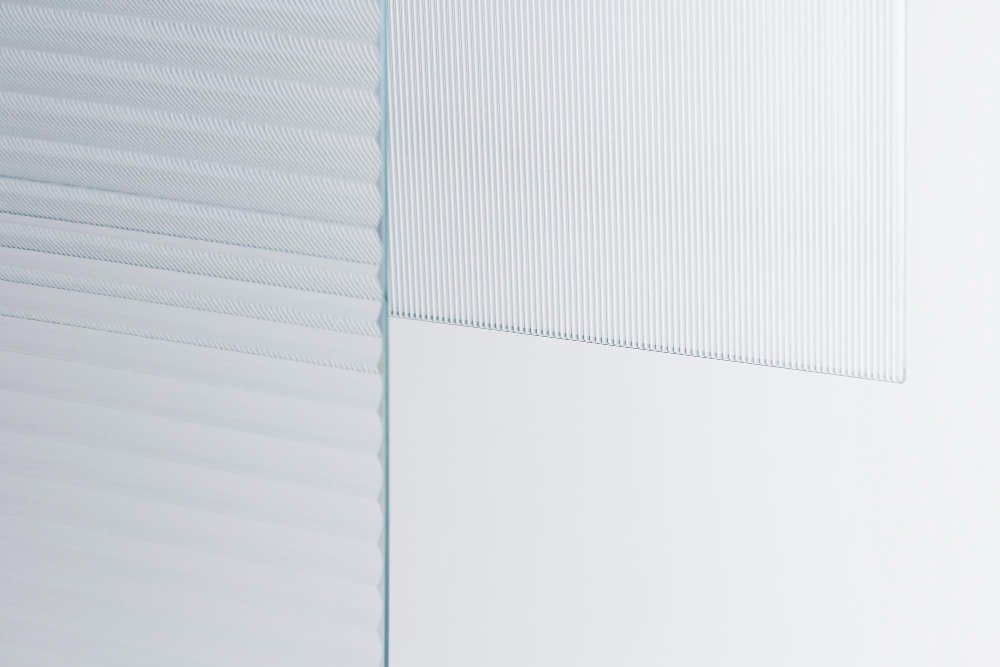
When choosing the right type of safety glass for your home, office, or commercial project, you may wonder whether toughened glass and tempered glass are different. Many people assume they are separate products with different strengths and uses. In reality, toughened and tempered glass are exactly the same — two names used for one advanced, safety-enhanced glass type.
In regions like Europe, the Middle East, and Asia, it is commonly referred to as toughened glass, while in the U.S., it is often called tempered glass. Both go through the same heat-treatment process and offer identical performance, safety, and durability.
For customers searching for Toughened Glass Dubai or looking for architectural solutions like frosted toughened glass, understanding this distinction helps you make informed decisions for your next project.
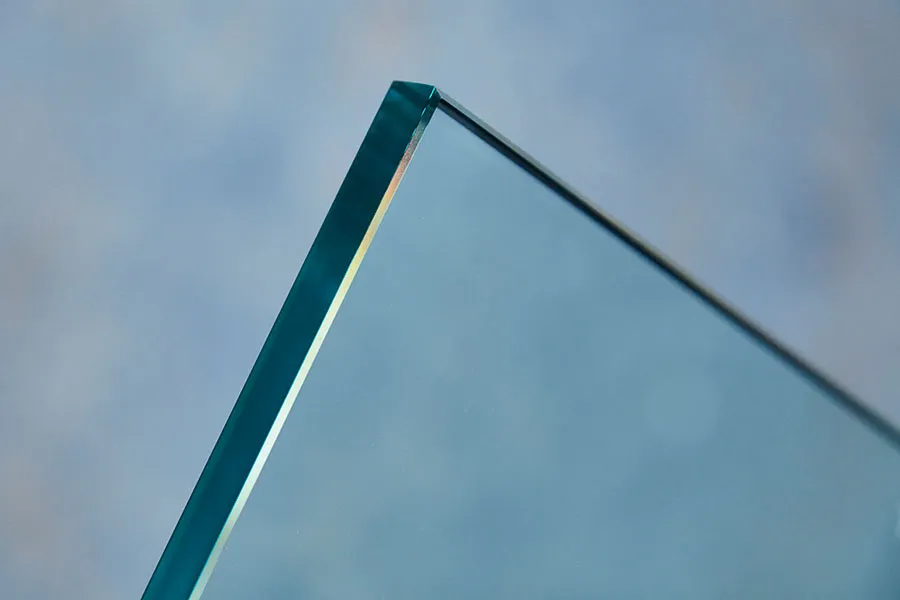
What’s Tempered Glass?
Tempered glass also known as toughened glass is a type of safety glass created through a controlled heating and rapid-cooling process that makes it significantly stronger than regular annealed glass.
Key Advantages of Tempered/Toughened Glass:
- 4–6 times stronger than standard glass
- Resists impacts, pressure, and thermal stress
- Breaks into tiny, blunt, pebble-like pieces for enhanced safety
- Ideal for architectural, interior, and exterior applications
- Highly durable and suitable for high-traffic or high-heat zones
When tempered glass breaks, it does not create sharp, dangerous shards. Instead, it forms small granules that reduce the risk of severe injury, this is why it’s often referred to as safety glass and is commonly used in Toughened Glass in Dubai for residential and commercial structures.
How’s Toughened Glass Made?
Although chemically toughened glass exists (created through ion exchange in a potassium-salt bath), the most widely used and most trusted method is heat tempering.

The Heat Toughening Process:
-
Heating:
Annealed glass is heated to around 620°C–670°C using advanced ceramic roller furnaces. -
Soaking Phase:
The glass is kept at high temperature for 90 seconds to 20 minutes depending on thickness so the entire surface reaches uniform heat. -
Rapid Cooling (Quenching):
High-pressure cold air blasts cool the glass surfaces quickly while the inner layers cool more slowly.
- Outer layers go into compression
- Inner layers go into tension
This combination dramatically increases strength.
Read also: Top 5 Glass Manufacturers and Suppliers in Dubai, UAE
Why heat-toughened glass is preferred:
- Breaks into safe round granules, unlike chemically toughened glass
- Suitable for safety applications
- Allows for consistent strength and quality
- Perfect for exterior facades and indoor partitions
Once tempered, the glass cannot be cut, drilled, or reshaped all modifications must be done beforehand.
How Do You Know if Glass Is Toughened or Tempered?
Identifying toughened/tempered glass is easy:
- Look for a laser-etched stamp or manufacturer’s mark in a corner
- Marks may include safety standard codes, processing details, or national certifications
- The stamp indicates the glass meets specific safety requirements
In most professional installations especially in Toughened Glass Dubai structures like shower screens, facades, and balustrades this mark is mandatory.
Where’s Toughened Glass Used?
Due to its strength, impact resistance, and safety features, toughened glass is used everywhere from homes to high rise buildings, automobiles, and commercial interiors.
Common Applications:
- Shower enclosures
- Office partitions
- Balustrades & balconies
- Glass railings
- Doors & windows
- Storefronts and facades
- Kitchen glass splashbacks
- Table tops, shelves & counters
- Frameless glass doors
- Staircases & flooring panels
- Fridge trays and appliances
- Mobile screen protectors
- Sporting and leisure equipment (diving masks, etc.)
Why it’s ideal for Dubai:
Dubai’s extreme climate, high temperatures, and fast-paced construction require durable materials. This is why Toughened Glass in Dubai is the standard choice for luxury interiors, skyscrapers, villas, and commercial spaces.
Applications of Toughened Glass
To clearly understand why toughened glass is so versatile, here’s a closer look at its practical applications:
1. Residential Spaces
- Shower doors
- Glass room partitions
- Kitchen splashbacks
- Balcony safety panels
- Staircase glass railings
2. Commercial Buildings
- Office partitions
- Shopfront displays
- Hotel interiors
- Restaurant dividers
- Conference room enclosures
3. Industrial & Specialty Uses
- Machinery guards
- Equipment covers
- High-temperature environments
- Wet and humid areas
4. Decorative Glass Options
Customers often choose frosted toughened glass for added privacy without losing natural light. It’s ideal for:
- Bathrooms
- Office meeting rooms
- Doors with partial privacy
- Shower screens
- Decorative wall panels
Frosted designs can be etched, sandblasted, or patterned for elegance and functionality.
Can Toughened Glass Be Cut?
Yes—but only before the toughening process.
Why it cannot be cut afterward:
Once toughened, the internal tension makes the glass extremely strong but also sensitive to structural disruption. Cutting, drilling, or grinding a tempered panel will cause it to shatter instantly.
So how is custom sizing done?
-
Glass is first measured, cut, and shaped in its annealed state.
-
Then it undergoes the tempering process for strength and safety.
This is why measurements for Toughened Glass Dubai projects must be precise from the start.
Difference Between Tempered and Toughened Glass
Here is the big clarity you need:
Tempered Glass = Toughened Glass
There is no physical, structural, or functional difference between them. The terms are interchangeable.
Why two names?
- Tempered glass – commonly used in the U.S. and international technical standards
- Toughened glass – widely used in Europe, the Middle East, and Asia
What they share:
- Same manufacturing process
- Same strength (4–6 times stronger than normal glass)
- Same safety behavior when broken
- Same uses and applications
Whether you’re shopping for Tempered Glass or searching for Toughened Glass Dubai, you are ultimately choosing the same premium product.
Read also: What is Sandblasted Glass
Conclusion
Understanding the difference (or the lack of difference) between toughened and tempered glass helps homeowners, architects, and contractors choose the safest and most durable option. For modern spaces especially in places like Dubai where premium glass interiors and facades are the norm Toughened Glass in Dubai remains the top choice for strength, style, and long-term safety.
Whether you need clear glass, tinted glass, or frosted toughened glass, selecting a well-processed, certified tempered glass ensures your property stays safe, elegant, and built to withstand daily stress.
Glass World Industries offers all types of premium glass solutions, catering to residential, commercial, and industrial needs across the UAE. Whether you require custom toughened glass, laminated safety glass, frosted designs, decorative glass, or complete glass and metal work fabrication, our team is here to assist you with expert guidance and high-quality installations.
For inquiries, project consultations, or quotations, get in touch with us today:
📞 +971 4 3333512
📧 sales@gwi.ae
We’re always ready to help you bring your glass project to life with precision and reliability.