
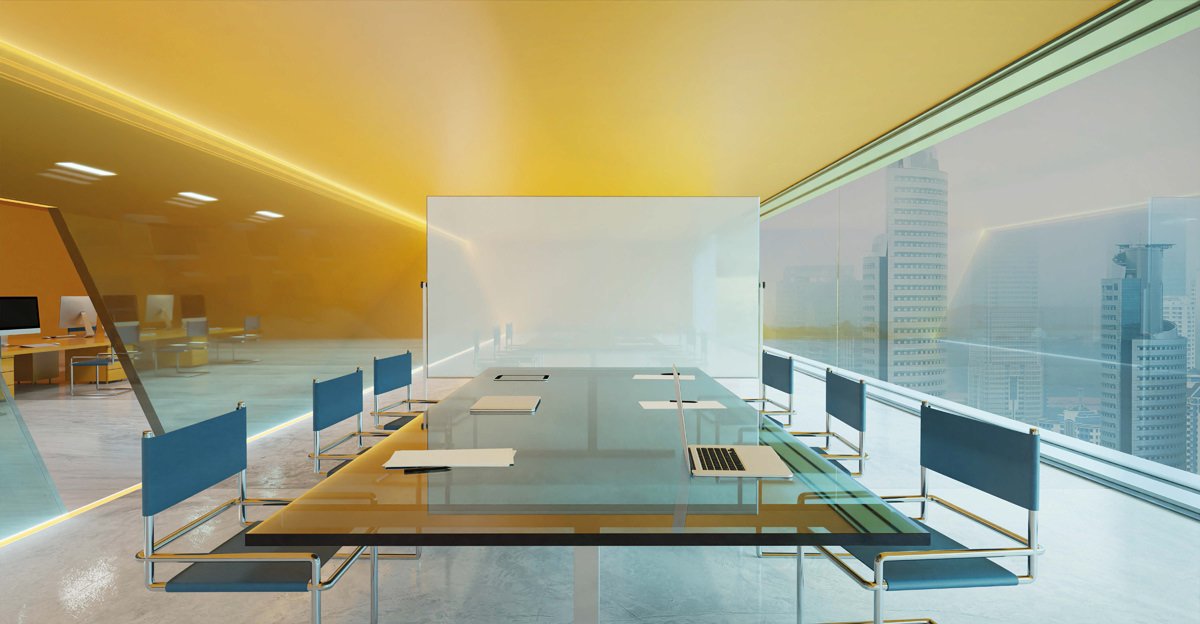
In modern architecture and interior design, glass plays a vital role in shaping aesthetics and functionality. Among the many options available, clear glass and low-iron glass stand out as popular choices. But what exactly sets them apart and how do you know which one is right for your project?
Whether you’re an architect, contractor, or homeowner sourcing materials from clear glass suppliers in Dubai, understanding the difference helps you achieve the right clarity, color accuracy, and finish for your space.
What Is Clear Glass?
Clear glass, often called standard float glass, is the most commonly used type of glass in homes and commercial projects. It’s made by melting raw materials like silica sand, soda ash, and limestone at high temperatures.
While it’s termed “clear,” standard clear glass actually has a slight greenish tint a result of natural iron oxide content present in the raw materials. This tint becomes more visible as the glass thickness increases.
Key characteristics of clear glass:
- Contains a normal level of iron (iron oxide).
- Has a faint green hue when viewed from the edges.
- Offers high strength and durability.
- Cost-effective and widely available.
This makes clear glass ideal for windows, glass partitions, balustrades, and tabletops where high optical clarity is not a major concern.
What Is Low-Iron Glass?
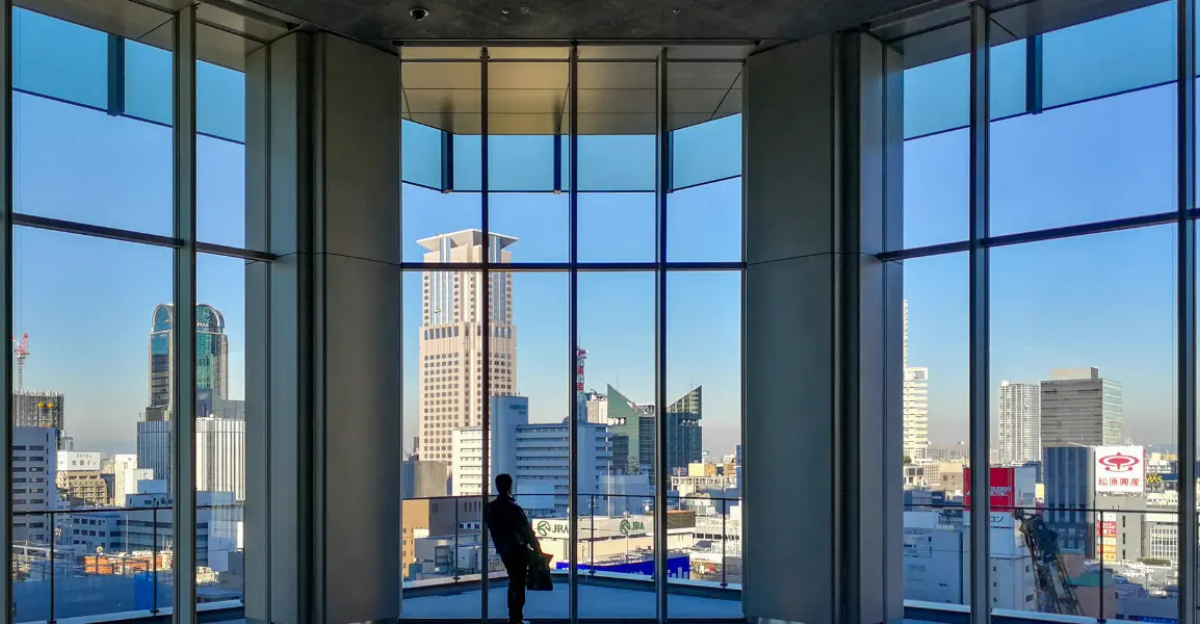
Low-iron glass, sometimes known as ultra-clear or extra-clear glass, is a premium version of standard glass that has undergone an additional refining process to reduce the iron content.
By lowering the iron levels, low-iron glass significantly improves light transmission making it crystal-clear with almost no green tint. This type of glass provides exceptional transparency and color accuracy, making it perfect for high-end applications.
Key characteristics of low-iron glass:
- Contains minimal iron oxide for superior clarity.
- No greenish tint, even in thicker sheets.
- Transmits up to 91% of visible light.
- Ideal for projects requiring color precision and aesthetics.
Read also: Custom Glass Partition Shopfronts in Dubai
Clear Glass vs. Low-Iron Glass: A Comparison
| Feature | Clear Glass | Low-Iron Glass |
|---|---|---|
| Iron Content | Standard (higher) | Reduced (minimal) |
| Color Appearance | Slight green tint | Crystal-clear transparency |
| Light Transmission | 83–86% | 90–91% |
| Applications | Windows, doors, partitions | Displays, facades, luxury interiors |
| Cost | Affordable | Slightly higher |
| Aesthetic Appeal | Good | Premium and elegant |
While clear glass works well for general installations, low-iron glass is preferred where visual clarity and color neutrality are critical — such as showrooms, hotel lobbies, and modern office partitions.
How to Tell If Glass Is Low-Iron
It’s easy to distinguish between the two. When you look at the edge of clear glass, you’ll notice a greenish hue. In contrast, low-iron glass edges appear blue or completely transparent.
If your design involves back-painted glass walls, display cases, or UV-bonded shelving, low-iron glass ensures that colors appear accurate without distortion from the green tint.
Applications of Low-Iron Glass
Low-iron glass offers exceptional versatility and clarity, making it the go-to choice for luxury spaces and precision-based designs. Here are some popular uses:
- Display Cases & Shelving: Perfect for showcasing jewelry, artwork, or high-end merchandise.
- Glass Partitions & Dividers: Creates a seamless, open feel with maximum natural light flow.
- Facades & Curtain Walls: Provides a clean, uniform appearance for modern architecture.
- Shower Enclosures: Ideal for back-painted or frameless shower doors.
- Interior Markerboards: Great for custom color-matched or branded designs.
Because of its clarity, low-iron glass enhances the perception of space and brightness in both residential and commercial settings.
When to Choose Clear Glass vs. Low-Iron Glass
Choose Clear Glass If:
- You need a budget-friendly option.
- The project doesn’t demand perfect color rendering.
- You’re using glass mainly for structural or safety purposes.
Choose Low-Iron Glass If:
- You want a premium, color-true finish.
- The glass will be back-painted or used for displays.
- The project involves luxury or high-end interiors.
Expert Tip: Don’t Mix the Two
For best results, avoid mixing clear and low-iron glass in the same installation. Even slight differences in tint can create a mismatched appearance, especially in visible edges or large glass assemblies. Always consult your glass fabricator or clear glass supplier in Dubai to confirm specifications before ordering.
Why Choose Clear Glass Suppliers in Dubai
Dubai’s architecture is synonymous with luxury and modernity and the city’s leading clear glass suppliers offer top-tier materials tailored to these standards. Reputable suppliers ensure:
- Precision cutting and finishing.
- Custom thickness and size options (6mm, 8mm, 10mm, 12mm).
- Expert installation for homes, offices, and commercial spaces.
- Affordable pricing with high durability.
Whether you’re planning glass partitions, storefronts, or decorative interiors, choosing the right supplier ensures your design vision is executed flawlessly.
Read also: Top 5 Glass Manufacturers and Suppliers in Dubai, UAE
Final Thoughts
Both clear glass and low-iron glass have their own strengths. While clear glass remains the standard for cost-effective, functional projects, low-iron glass elevates design clarity, color accuracy, and sophistication.
When choosing between the two, consider your aesthetic goals, lighting needs, and budget. And for high-quality materials and installation, rely on trusted clear glass suppliers in Dubai who understand precision, performance, and perfection.