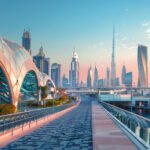
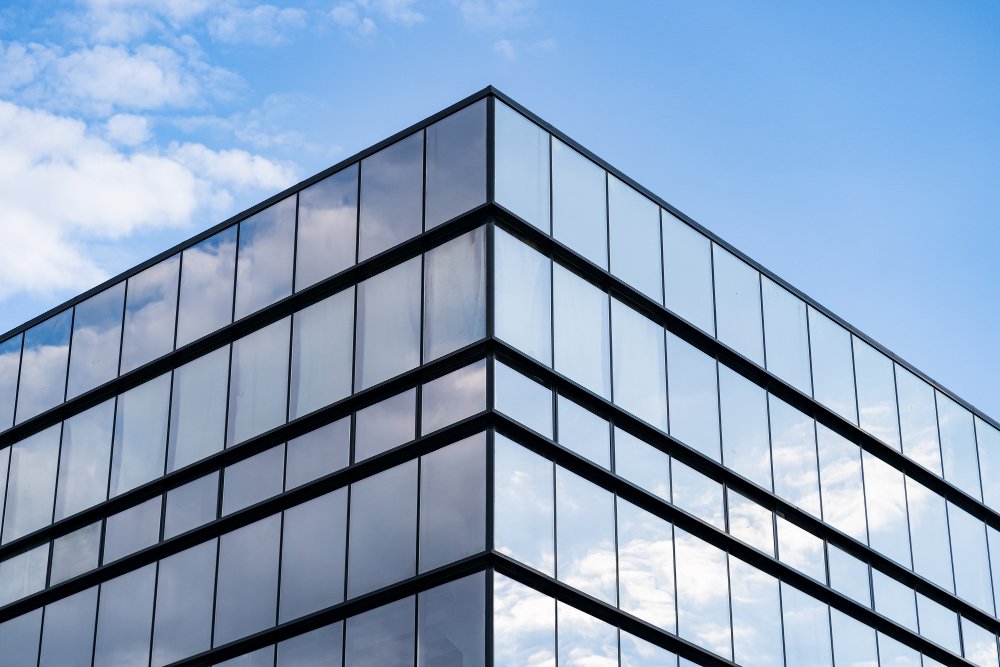
Dubai’s skyline is a showcase of global architectural excellence, where glass isn’t just a design choice, it’s a structural and environmental performance material. From shimmering skyscrapers to elegant residential towers, different glass types play unique roles in safety, thermal comfort, sustainability, and aesthetics.
In this guide, we’ll break down the main types of glass used today, where they’re typically applied, and why climate and safety matter in Dubai’s extreme environment.
1. What Is Float Glass? Understanding the Basics
Definition & Production
Float glass also known as annealed glass is the foundation for almost all other architectural glass types. It’s manufactured by floating molten glass on a bath of molten tin, yielding flat, clear sheets of consistent thickness.
Properties
- Clear and uniform surface
- Affordable and easy to fabricate
- Moderate strength and clarity
Applications in Dubai
While float glass is the base glass form, it’s usually used where structural safety isn’t required — for example:
- Interior partitions
- Low-risk windows
- Decorative features
Because it breaks into large, sharp pieces, it’s not appropriate for high-traffic exterior locations or safety-critical areas without further processing.
Why It Matters
Dubai’s intense heat and solar radiation make basic float glass inefficient for uncontrolled external glazing. Standard float glass does not insulate against heat gain or UV radiation, leading to higher energy use in cooling systems.
2. Toughened Glass (aka Tempered Glass)
What Is Toughened Glass?
Toughened glass often called tempered glass is a type of safety glass made by heating float glass to high temperatures followed by rapid cooling, which dramatically strengthens the panel.
Toughened glass is typically 4 to 5 times stronger than regular float glass and shatters into small, blunt fragments rather than dangerous shards, greatly reducing injury risk.
Common Uses
In modern buildings, especially in Dubai where safety and wind loads are key considerations, toughened glass is widely used for:
- Exterior façades
- Doors & windows
- Balustrades and stair railings
- Shower enclosures
- Storefronts and commercial glazing
- Structural glass walls
Climate & Building Safety
Dubai’s harsh climate scorching summers, sudden thermal shifts, and strong winds can stress standard glass. Toughened glass resists thermal shock much better than float glass, maintaining integrity under temperature variations.
The Dubai Municipality and UAE building codes often require tempered/toughened safety glass in locations with human contact and risk of impact.
Why It’s Preferred
- Significant strength improvement
- Safer break pattern
- Better resistance to heat stress
- Ideal for façades exposed to wind pressure and thermal variation
3. Laminated Glass: Safety Meets Security
What Is Laminated Glass?
Laminated glass consists of two or more glass layers bonded by a polymer interlayer, usually PVB (polyvinyl butyral) or EVA (ethylene-vinyl acetate).
If broken, the glass shards remain adhered to the interlayer, reducing risk of falling pieces and improving safety dramatically.
Where Laminated Glass Is Used
Because of its safety and performance qualities, laminated glass Dubai is typically specified for:
- High-rise façades
- Skylights and overhead glazing
- Glass floors & balconies
- Curtain walls
- Areas with high human traffic or security requirements
Laminated glass also blocks UV radiation and reduces noise, which makes it ideal for urban buildings in busy Dubai environments.
Thermal & Acoustic Benefits
Beyond safety, laminated glass improves indoor comfort:
- Reduces outside noise (up to ~20 dB)
- Blocks 99% of harmful UV rays
- Enhances insulation, lowering cooling demand
This is crucial in Dubai’s intense heat and urban noise environment.
Read also: Glass vs Traditional Walls: Why Offices in Dubai Are Going Transparent
4. Other Glass Types Worth Mentioning
While float, toughened, and laminated glass are the most widely used in Dubai’s construction, other types also support performance goals:
Low-E (Low Emissivity) Glass
Coated with microscopic metal oxides that reflect infrared heat, Low-E glass reduces solar heat gain while maintaining natural light transmission a must in hot climates.
Solar Control Glass
Reduces heat and glare from direct sunlight, improving energy efficiency and occupant comfort in glazed façades.
Insulated Glass Units (IGUs)
Double or triple glazing with gas fills (argon, krypton) to improve thermal insulation and reduce cooling costs.
Where Each Type of Glass Is Typically Used
| Glass Type | Typical Applications | Key Benefits |
|---|---|---|
| Float Glass | Interior partitions, non-critical windows | Affordable, clear |
| Toughened Glass | Façades, doors, balustrades | High strength, safe break pattern |
| Laminated Glass | High-rise façades, skylights, safety glazing | Safety, acoustic & UV control |
| Low-E Glass | Window units, curtain walls | Heat reflection, energy savings |
| IGU / Double Glazed | Exterior windows, high-performance façades | Thermal insulation |
Dubai Climate & Safety Considerations
Dubai presents extreme environmental challenges intense sunlight, soaring temperatures (often above 40°C), ultraviolet radiation, and occasional high wind loads on tall buildings.
Heat & Solar Gain
Without specialized glazing, solar heat gain can force air conditioning systems to work overtime, significantly increasing energy use and cost. Dubai glaziers report that standard float glass can result in interior temperatures up to 34°C even with AC running.
Wind Loads & Structural Safety
High-rise buildings in Dubai must withstand strong wind pressures. Toughened and laminated glass provide structural strength that is essential for façades and curtain walls, especially when combined with aluminium framing.
Safety & Security
Dubai’s building standards mandate safety glazing for areas where people are at risk of impact. Toughened glass and laminated safety glass help meet these requirements and reduce liability in commercial and residential structures.
Choosing the Right Glass Tips from Experts
When selecting glass for a building project in Dubai, consider:
Working With a Trusted Glass Company in Dubai
Experienced suppliers and trusted glass company in Dubai understand local climate demands, code requirements, and performance expectations.
Search for firms that specialize in safety glass, high-performance façades, and energy-efficient solutions. Their expertise can save long-term maintenance and energy costs.
Read also: Glass Installation in Dubai: What’s Included in a Professional Service
Evaluate Thermal & Safety Needs
- High-sun areas → choose Low-E or solar control glass
- High-rise façades → choose toughened or laminated units
- High-traffic zones → focus on safety glazing compliance
Factor in Acoustic Comfort
Urban noise can affect occupant well-being; laminated glass significantly improves sound performance.
Conclusion: Glass Isn’t Just Aesthetic — It’s Functional
In Dubai’s iconic architecture, glass plays multiple roles from structural performance and energy efficiency to safety and visual appeal. Understanding the differences between float glass, toughened glass Dubai builders trust, and laminated glass Dubai projects need is essential for architects, engineers, and property owners alike.
By choosing the right type of glass for the right application, buildings can be safer, more comfortable, energy-efficient, and better suited to Dubai’s demanding climate.