
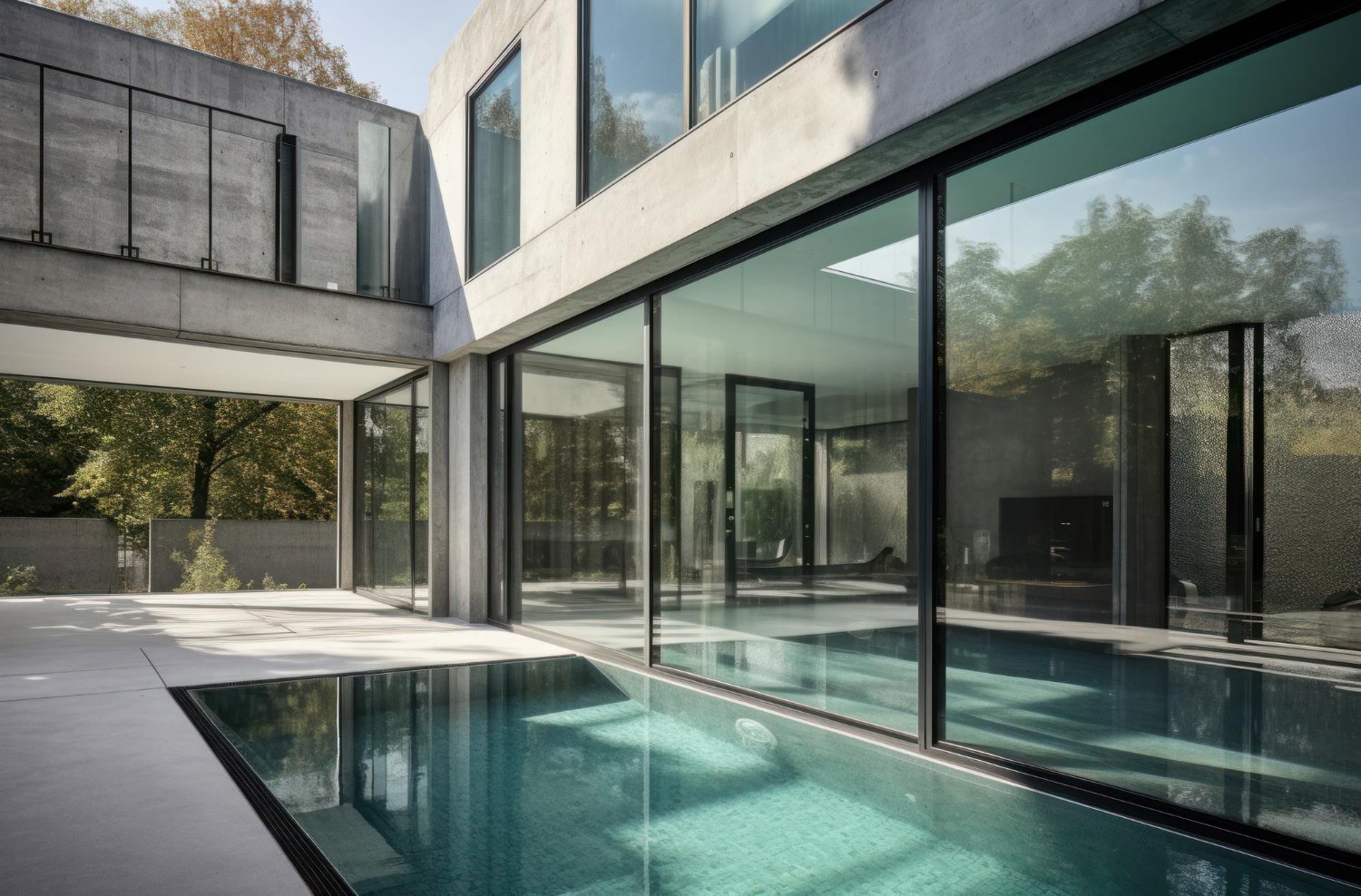
If you’re renovating your home, fitting out a new office, or simply replacing old doors in Dubai, there’s a good chance you’ve come across this question: should I go with aluminium sliding doors or UPVC?
It’s one of the most common questions we get at Glass World Industries, and it’s a great one to ask. Both options are widely used across the UAE, both have genuine advantages, and both have situations where one clearly outperforms the other. The problem is that most of the information out there is either too technical, too vague, or written for a completely different climate.
Dubai is not the UK. It’s not Europe. It’s not even comparable to most other parts of the Middle East when it comes to the demands placed on building materials. The heat, the humidity, the sandstorms, the salty coastal air in areas near the sea, all of these things matter enormously when you’re choosing doors that need to perform well and look good for years.
So let’s settle this properly. In this guide, we’re going to walk through everything you need to know about aluminium sliding doors versus UPVC in the UAE context, so you can make the right choice for your specific situation.
What Are Aluminium Sliding Doors?
Let’s start with the basics. Aluminium sliding doors are door systems made from aluminium frames that hold glass panels and slide horizontally on tracks rather than swinging open on hinges. They’re widely used across residential villas, apartments, hotels, and commercial spaces in Dubai and across the UAE.
The aluminium frame is the defining feature. It’s a naturally strong, lightweight metal that can be shaped into slim, precise profiles, which is why aluminium sliding doors tend to have that clean, modern look with large glass panels and minimal visible frame. The frames are typically finished with a powder coating, which gives them their colour and protects the metal from the elements.
In Dubai, aluminium sliding doors are used everywhere. From the floor-to-ceiling sliding doors leading out to a villa garden in Mirdif, to the large commercial sliding entrance doors of a retail outlet in Deira, to the balcony doors of an apartment in Jumeirah Beach Residence, aluminium is the material of choice across a huge range of applications.
What Are UPVC Doors?
UPVC stands for Unplasticised Polyvinyl Chloride, which is a type of rigid plastic. UPVC doors use frames made from this material instead of metal, and like aluminium systems, they can be configured as sliding doors with glass panels.
UPVC became extremely popular in colder climates, particularly in the UK and Europe, because of its excellent insulation properties. The material naturally resists heat transfer, which makes it very effective at keeping warmth inside a building during cold winters. It also doesn’t rust, doesn’t require painting, and is generally considered a low-maintenance option.
In the UAE, UPVC doors are used in certain residential settings, particularly in mid-range apartment developments and some villa communities. However, they are considerably less common than aluminium, and as we’ll explore, there are some important reasons for that.
How UAE’s Climate Affects Your Door Choice
Before we compare the two materials directly, it’s worth spending a moment on why the UAE climate changes the calculation so dramatically compared to other parts of the world.
Dubai and the wider UAE experience extreme heat for a significant portion of the year. Temperatures regularly exceed 40 degrees Celsius in summer, and in direct sunlight, surfaces can reach temperatures far beyond that. This level of sustained heat places materials under stress that simply doesn’t exist in more temperate climates.
There’s also the matter of UV radiation. Dubai receives intense, direct sunlight almost year-round. Materials that aren’t designed to handle prolonged UV exposure will degrade, discolour, warp, or weaken over time.
Add to this the humidity levels along the coast, the occasional sandstorm that carries abrasive particles across surfaces, and in some areas the salt-laden air near the sea, and you have an environment that is genuinely demanding on any building material.
This is the context in which we need to evaluate aluminium sliding doors versus UPVC in the UAE. It’s not just about cost or aesthetics. It’s about which material holds up in these specific conditions over time.
Read also: The Ultimate Guide to Choosing a Glass and Aluminium Company in Dubai
Aluminium Sliding Doors in Dubai: The Real Advantages
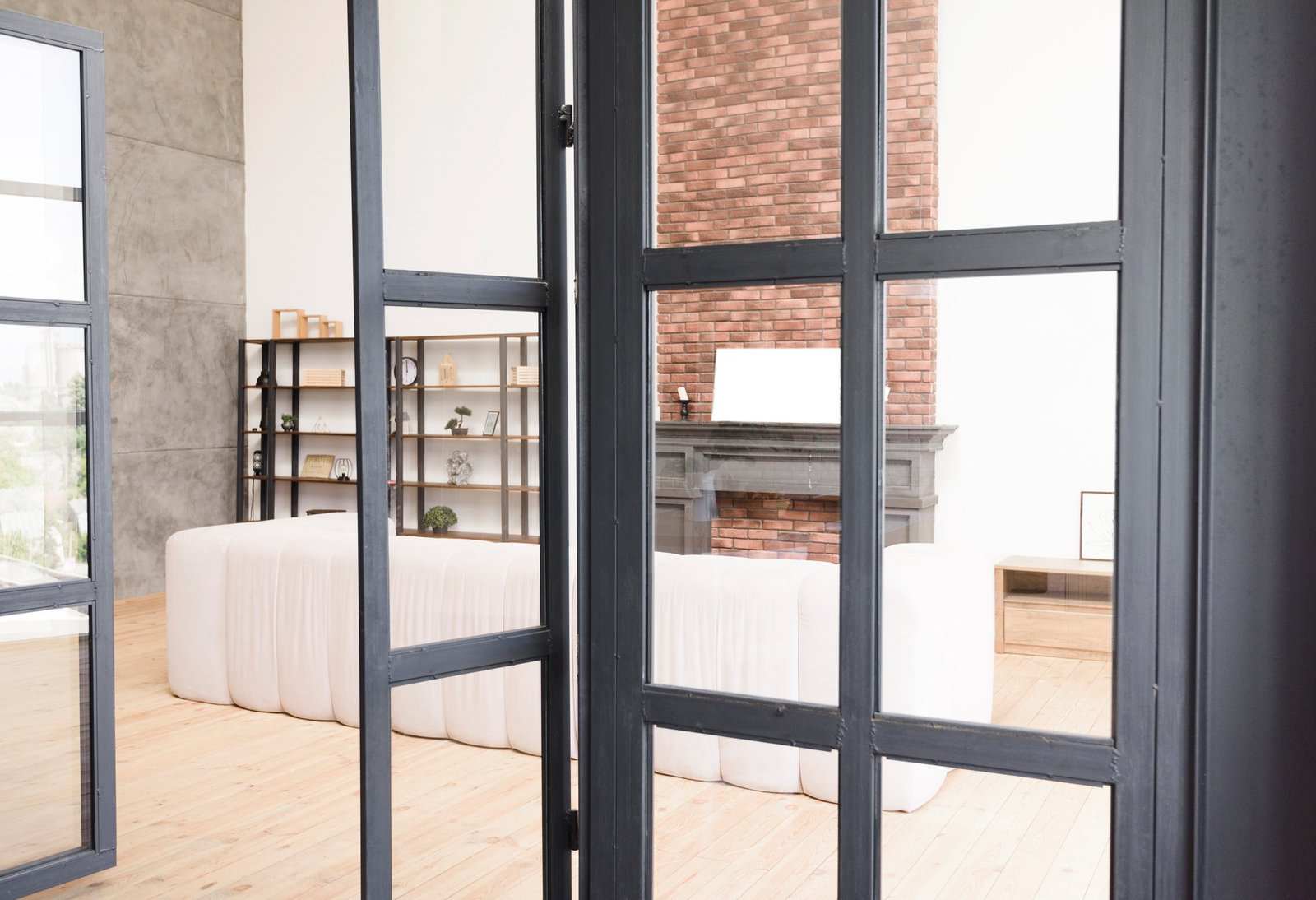
Strength and Structural Integrity
Aluminium is inherently strong for its weight. This matters more than people often realise when it comes to sliding doors. A large sliding door panel carrying heavy glass needs a frame that can bear that weight consistently without warping or bending over time. Aluminium does this reliably.
In Dubai’s larger villa properties and commercial spaces, aluminium sliding doors can span very wide openings with large glass panels, something that UPVC systems struggle to achieve at the same scale without additional structural support.
Performance in Extreme Heat
This is where aluminium genuinely pulls ahead for the UAE market. Aluminium handles extreme heat without distorting. The frames maintain their shape and their precise dimensions even through Dubai’s hottest summers. This means the doors continue to slide smoothly, seal properly, and look as they should regardless of the temperature outside.
UPVC, on the other hand, is a plastic material and plastics respond to heat by expanding. In a climate like Dubai’s, this thermal expansion can cause UPVC frames to warp slightly over time, which affects how smoothly the doors operate and how well they seal against dust, wind, and insects.
UV Resistance and Colour Stability
Aluminium frames with quality powder coating finishes are highly resistant to UV radiation. The colour remains stable over many years of direct sun exposure without significant fading or chalking.
UPVC in intense UAE sunlight can yellow and become brittle over time. White UPVC doors, which are the most common colour, are particularly susceptible to yellowing in harsh UV conditions. Once this process starts, it’s very difficult to reverse without replacing the frames entirely.
Slim Profiles and Modern Aesthetics
Aluminium can be extruded into very slim, precise profiles. This means the visible frame around the glass is minimal, which maximises the glass area and gives aluminium sliding doors that clean, contemporary look that works so well in modern Dubai homes and commercial spaces.
UPVC frames are generally bulkier because the material needs more volume to achieve equivalent structural strength. The result is a chunkier appearance that many people find less appealing in modern architectural settings.
Read also: Top Aluminium and Glass Companies in Sharjah and Abu Dhabi
Customisation and Finishes
Powder-coated aluminium comes in an enormous range of colours and finishes. Matte black, brushed silver, champagne gold, RAL colours, wood-effect finishes, and more. This flexibility makes aluminium sliding doors a natural fit for Dubai’s design-conscious residential and commercial market where matching a specific colour palette or architectural style matters.
UPVC is available in fewer finishes, and while colour options have improved in recent years, the range still falls significantly short of what aluminium offers.
Longevity
A well-manufactured and properly maintained aluminium sliding door system installed in Dubai can last for decades. The material doesn’t rust, doesn’t rot, and doesn’t degrade in the way that some other materials do under sustained exposure to heat and UV. For homeowners and developers in the UAE who are thinking about long-term value, aluminium is typically the stronger investment.
Where UPVC Has an Edge
To be fair and balanced, UPVC does have some genuine advantages worth acknowledging.
Thermal Insulation
UPVC is naturally a poor conductor of heat, which means it doesn’t transfer temperature between the inside and outside of a building as readily as metal does. In cold climates, this is a significant benefit because it helps keep warm air inside.
In the UAE context, this advantage is less impactful than it sounds because aluminium sliding doors in Dubai are typically manufactured with thermal break technology. A thermal break is a non-conductive material built into the aluminium profile that interrupts the transfer of heat through the frame. Modern aluminium sliding doors with thermal breaks perform very well in terms of thermal insulation, significantly narrowing the gap between the two materials.
Initial Cost
UPVC doors are generally less expensive upfront than aluminium systems. For budget-conscious projects or developments where initial cost is the primary driver, UPVC can be an attractive option.
However, it’s worth factoring in the longer-term picture. If UPVC frames begin to yellow, warp, or degrade faster in Dubai’s climate, the cost of replacement or remediation can eliminate the initial savings relatively quickly.
Noise Insulation
UPVC naturally provides reasonable acoustic insulation, which can be beneficial in noisy urban areas. That said, modern aluminium sliding door systems with double glazing and quality seals can achieve comparable acoustic performance, so this advantage has also narrowed considerably.
Aluminium vs UPVC: Which is Right for Different Settings in the UAE
Let’s make this practical. Here’s how the choice typically plays out across different types of projects in Dubai and the UAE.
For luxury villas and high-end residential properties, aluminium sliding doors are almost universally the choice. The slim profiles, wide range of finishes, structural capability for large openings, and premium appearance align with what high-end residential projects in areas like Palm Jumeirah, Emirates Hills, and Arabian Ranches demand.
For commercial offices and retail spaces, aluminium is the clear standard across Dubai. The durability, customisation options, and professional aesthetic make it the obvious choice for businesses that want their space to reflect quality and longevity.
For mid-range apartment developments, both materials are used. UPVC may be specified in some developments as a cost management measure, while others choose aluminium for the longer-term performance and better visual outcome.
For hotels and hospitality projects, aluminium is almost always specified. The combination of durability, aesthetics, and the ability to handle high-traffic use makes aluminium sliding doors the preferred choice for hospitality environments across the UAE.
What to Look for When Buying Aluminium Sliding Doors in Dubai
If you’ve decided that aluminium sliding doors are the right choice for your project, here are a few things to pay attention to when selecting a supplier and system.
Look for quality powder coating on the frames. A good powder coat finish should be applied electrostatically and cured properly for maximum adhesion and UV resistance. Ask your supplier about the warranty on the coating finish.
Check for thermal break profiles if energy efficiency is a priority. This is particularly relevant for spaces that are heavily air-conditioned, as thermal break aluminium frames help reduce the load on your cooling system by minimising heat transfer through the frame.
Ask about the glass specification. The glass used in your aluminium sliding door system has a significant impact on both thermal and acoustic performance. Double glazed units with low-emissivity coatings are worth considering for Dubai properties.
Make sure the hardware is quality. The tracks, rollers, and locking mechanisms need to handle Dubai’s dust and heat without sticking or corroding. Quality hardware makes a real difference to the day-to-day experience of using your doors.
And finally, choose a supplier who offers proper installation. Even the best aluminium sliding door system will underperform if it’s not installed correctly. Poor installation affects how smoothly the doors operate, how well they seal, and how long they last.
Read also: Best 10 Aluminium and Glass Companies in Dubai
Glass World Industries: Aluminium Sliding Doors Across Dubai and the UAE
At Glass World Industries, we specialise in aluminium doors in Dubai for residential, commercial, and hospitality projects across the UAE. We’ve supplied and installed aluminium sliding doors in Dubai villas, corporate offices, retail outlets, hotels, and apartment developments, and we understand exactly what the UAE climate demands from these systems.
We work with our clients from the initial consultation through to final installation, helping you choose the right profile, finish, glass specification, and hardware for your specific project. Our team carries out proper site surveys, provides clear and detailed quotes, and installs every system with the attention to detail it deserves.
Whether you’re replacing existing doors in a Jumeirah villa, fitting out a new office in Business Bay, or specifying doors for a larger development project anywhere in the UAE, we’re here to help you get it right.
Contact Glass World Industries today for a free consultation and quote on aluminium sliding doors for your UAE property. Let’s find the right solution for your space.