Glass plays a major role in modern architecture and interior design. From luxurious storefronts and elegant office partitions to residential windows and shower enclosures, the type of glass you choose can significantly affect the appearance and performance of a space. While many people assume all glass looks the same, there are noticeable differences between standard clear glass and low-iron glass.
In the UAE construction and interior market, both Clear Glass Dubai solutions and Low-Iron Glass in Dubai are widely used across residential and commercial projects. However, selecting the right glass depends on your design goals, budget, and application requirements.
Below we’ll discuss the differences between clear and low-iron glass, and the best uses and applications for each.
What Is Clear Glass?
Clear glass is the most commonly used architectural glass available today. It is produced using silica sand, soda ash, limestone, and other materials. During the manufacturing process, iron particles naturally remain in the glass composition, creating a slight green tint that becomes more visible as the glass thickness increases.
Standard clear glass is widely preferred because it is durable, affordable, and suitable for a variety of applications. In Dubai, clear glass is commonly used for:
- Office partitions
- Residential windows
- Glass doors
- Shower enclosures
- Display cabinets
- Balcony railings
One of the main advantages of Clear Glass Dubai installations is cost-effectiveness. It delivers excellent functionality while maintaining a modern and clean appearance. For most standard architectural projects, clear glass provides sufficient transparency and aesthetic appeal.
However, when color accuracy and crystal-clear visibility are priorities, low-iron glass becomes the preferred option.
How Can You Tell if Glass Is Low-Iron?
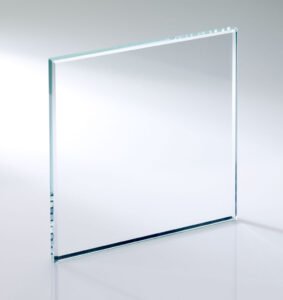
The easiest way to identify low-iron glass is by examining the edge color and overall clarity. Traditional clear glass often shows a greenish tint, especially when viewed from the side or when multiple panels are installed together.
Low-iron glass contains significantly less iron oxide during production, which reduces the green hue and creates a much clearer appearance. The result is a brighter and more transparent glass with improved light transmission.
Here are a few noticeable characteristics of Low-Iron Glass in Dubai:
Minimal Green Tint
Unlike standard clear glass, low-iron glass has very little green coloration, even in thicker panels.
Higher Transparency
Low-iron glass allows more natural light to pass through, making interiors appear brighter and more open.
Better Color Accuracy
Objects viewed through low-iron glass appear more natural and true to color. This is particularly important for retail displays, luxury interiors, and decorative glass features.
Premium Appearance
Low-iron glass provides a high-end finish that enhances modern architectural designs.
Because of these qualities, low-iron glass is often selected for premium commercial and residential projects where aesthetics matter most.
Suitable Low-Iron Glass Applications
Low-iron glass is commonly used in projects that require superior clarity and visual appeal. In Dubai’s luxury architecture and interior design industry, this type of glass is increasingly popular for upscale spaces.
Storefronts and Retail Displays
Luxury retail stores use low-iron glass to showcase products without color distortion. The enhanced transparency allows merchandise to appear brighter and more attractive.
Shower Enclosures
Modern bathrooms often feature frameless shower partitions made with low-iron glass. The ultra-clear appearance creates a sleek and elegant look while making the space feel larger.
Glass Railings
Low-iron glass is ideal for staircases, balconies, and pool fencing because it offers unobstructed views and a clean modern finish.
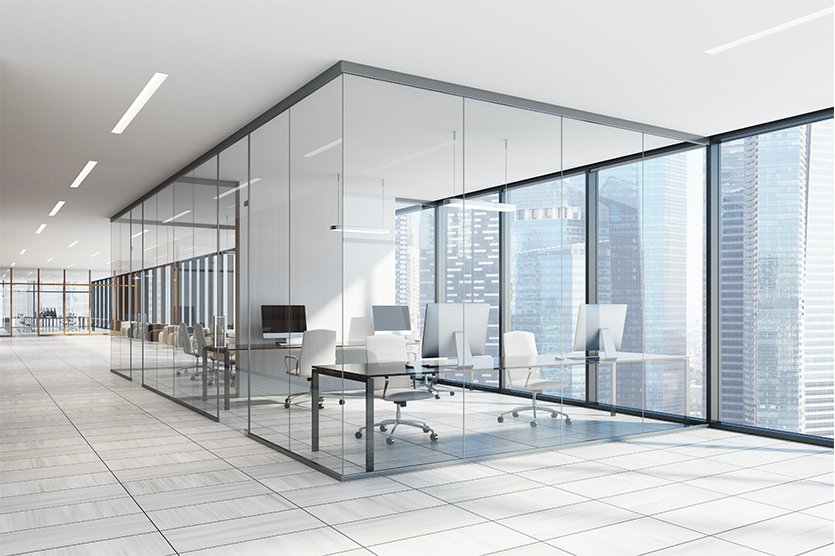
Office Partitions
Corporate interiors benefit from low-iron glass because it creates brighter workspaces and adds a sophisticated appearance to conference rooms and executive cabins.
Museum and Display Cases
Museums and galleries use low-iron glass to display artwork and artifacts without affecting color visibility.
Laminated Glass Applications
Many architectural projects combine low-iron glass with Laminated Glass for enhanced safety and performance. Laminated Glass consists of two or more layers bonded together with an interlayer, improving strength, security, and sound insulation.
Low-iron laminated glass is frequently used in:
- High-rise buildings
- Glass facades
- Skylights
- Luxury villas
- Safety railings
- Large glass partitions
This combination delivers both premium aesthetics and structural safety.
Choosing the Right Low-Iron Glass for Your Application
When selecting low-iron glass, it is important to consider several factors to ensure the best performance for your project.
Glass Thickness
Thicker glass panels increase durability but may slightly affect transparency. Low-iron glass minimizes this issue compared to standard clear glass.
Tempered or Laminated Options
For safety applications, low-iron glass can be tempered or combined with Laminated Glass to improve impact resistance and safety compliance.
Interior or Exterior Use
Exterior applications may require additional coatings for solar control, UV protection, or energy efficiency.
Budget Requirements
Low-iron glass is generally more expensive than standard clear glass because of the specialized manufacturing process. However, the enhanced appearance often justifies the investment for luxury spaces.
Design Goals
If achieving maximum clarity and a premium modern appearance is important, low-iron glass is the ideal solution.
In Dubai’s competitive architectural market, designers and homeowners increasingly prefer low-iron glass for projects that emphasize luxury and visual excellence.
Can I Use Glass That Doesn’t Contain Any Iron?
Completely iron-free glass does not technically exist because trace amounts of iron are naturally present in the raw materials used during manufacturing. However, low-iron glass significantly reduces iron content compared to standard clear glass.
This reduction creates the ultra-clear effect that many architects and designers seek. While no glass is 100% iron-free, low-iron glass provides the closest possible result to true colorless transparency.
For applications where maximum visibility and brightness are essential, low-iron glass is considered the best available option.
Clear vs. Low-Iron Glass: Which Is Best?
The decision between clear glass and low-iron glass ultimately depends on your project requirements, aesthetic goals, and budget.
Choose Clear Glass If:
- You need an affordable solution
- Slight green tint is not a concern
- The project focuses on functionality
- You require standard residential or office applications
Choose Low-Iron Glass If:
- Maximum clarity is important
- You want a premium luxury appearance
- Color accuracy matters
- The glass will be prominently displayed
- You are designing modern high-end interiors
Both options offer durability and versatility, but low-iron glass delivers a noticeably superior visual experience.
In the growing architectural and interior design market of Dubai, both Clear Glass Dubai and Low-Iron Glass in Dubai remain highly popular choices. Many premium projects also incorporate Laminated Glass to combine safety with elegant design.
Whether you are designing a luxury villa, office space, retail showroom, or modern bathroom, selecting the right type of glass can dramatically improve the overall appearance and functionality of your space.
Is low-iron glass more expensive?
Yes, low-iron glass is generally more expensive due to its specialized manufacturing process and premium appearance.
Can low-iron glass be laminated?
Yes, low-iron glass can be combined with Laminated Glass for improved safety, security, and sound insulation.
Is low-iron glass stronger than clear glass?
The strength depends on whether the glass is tempered or laminated rather than the iron content itself. Both clear and low-iron glass can be manufactured for high durability.
Where is low-iron glass commonly used in Dubai?
Low-iron glass is widely used in luxury villas, office partitions, retail storefronts, shower enclosures, and modern glass railings.