Curtain wall systems have become one of the most recognizable features of modern architecture in the UAE. From Dubai’s iconic skyline to high-performance commercial buildings across Abu Dhabi and Sharjah, curtain walls define both aesthetic identity and building performance.
Yet for many developers and property owners, curtain walls remain a complex topic often perceived as expensive, technical, or suitable only for skyscrapers.
This guide explains what curtain wall systems are, what they really cost in Dubai, and which building types benefit most, helping you make informed decisions in 2025.
Why Curtain Wall Systems Matter in the UAE
The UAE’s construction environment is unlike most global markets due to:
- Extreme heat and solar radiation
- Strong wind loads in high-rise zones
- Strict fire and safety regulations
- High expectations for architectural quality
According to a 2025 UAE Construction Market Review by JLL, façade and glazing systems now account for up to 22% of total building envelope costs in Grade-A developments highlighting their strategic importance.
What Are Curtain Wall Systems?
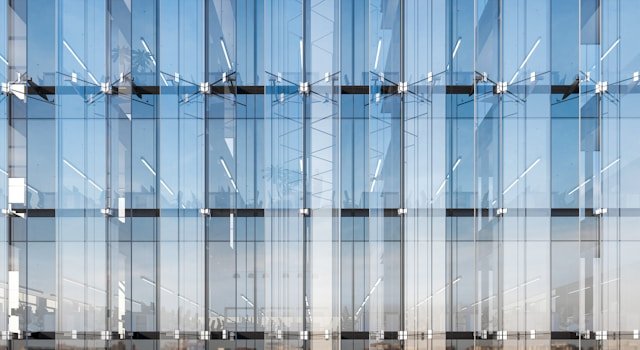
A curtain wall system is a non-load-bearing external façade typically made of:
- Aluminium framing
- Glass panels (toughened, laminated, or insulated)
- Sealants and anchoring systems
Unlike traditional walls, curtain walls:
- Do not support building loads
- Are hung from the building structure
- Act as a protective “skin” against the environment
Read also: Benefits of Curtain Walls in Dubai
Types of Curtain Wall Systems Used in Dubai
1. Stick Curtain Wall Systems
- Installed piece by piece on-site
- Lower material cost
- Longer installation time
Common in:
- Mid-rise buildings
- Budget-controlled projects
2. Unitized Curtain Wall Systems
- Pre-fabricated panels installed on-site
- Faster installation
- Higher quality control
Preferred for:
- High-rise towers
- Complex architectural designs
According to the Council on Tall Buildings and Urban Habitat (CTBUH, 2025), over 80% of towers above 40 floors in the Middle East now use unitized curtain wall systems.
Key Benefits of Curtain Wall Systems
1. Natural Light & Visual Appeal
Glass curtain walls maximize daylight penetration, reducing reliance on artificial lighting.
A 2025 study by the World Green Building Council found that daylight-optimized buildings can reduce lighting energy consumption by up to 30% in hot climates.
This makes Curtain Wall in Dubai systems particularly attractive for commercial developments.
2. Thermal & Energy Performance
Modern curtain walls integrate:
- Double or triple glazing
- Low-E coatings
- Thermal breaks in aluminium frames
The International Energy Agency (IEA, 2025) reports that high-performance façades can reduce cooling loads by 18–25% in GCC buildings.
3. Design Flexibility
Curtain walls support:
- Large glass spans
- Curved and angled façades
- Custom finishes and patterns
This flexibility aligns perfectly with Dubai’s design-driven real estate market.
4. Faster Construction (Unitized Systems)
Pre-fabrication allows:
- Parallel construction activities
- Reduced site labor
- Consistent quality
This is critical in Dubai’s fast-track construction environment.
Cost Factors for Curtain Wall Systems in Dubai
Curtain wall pricing varies significantly based on several factors.
1. System Type
- Stick systems: lower upfront cost
- Unitized systems: higher initial cost but lower installation risk
2. Glass Specification
Costs increase with:
- Laminated safety glass
- Double or triple glazing
- Solar control and acoustic glass
3. Building Height & Wind Load
Higher buildings require:
- Stronger frames
- Thicker glass
- Advanced anchoring systems
This significantly impacts Curtain Wall Dubai project budgets.
4. Compliance & Testing
Mandatory requirements include:
- Fire resistance testing
- Water and air infiltration tests
- Structural performance certification
According to Dubai Civil Defense (2025 update), non-compliant façade systems are among the top causes of project approval delays.
Read also: Glass Installation in Dubai
Ideal Building Types for Curtain Wall Systems
1. Commercial Office Towers
Curtain walls are ideal for:
- Corporate offices
- Business parks
- Free zone developments
2. Hotels & Hospitality Projects
Luxury hotels use curtain walls to:
- Enhance views
- Improve guest experience
- Achieve iconic architecture
3. Mixed-Use Developments
Retail, office, and residential components benefit from:
- Unified façade language
- Modular construction
- Long-term durability
4. Institutional & Public Buildings
Airports, museums, and government buildings use curtain walls for:
- Transparency
- Security glazing
- Environmental performance
Curtain Wall Systems & UAE Regulations (2025)
All curtain wall systems must comply with:
- Dubai Municipality Building Code
- UAE Fire & Life Safety Code
- International standards (ASTM, EN, BS)
The Dubai Municipality Green Building Regulations (2025) also encourage:
- Solar heat gain control
- Daylight optimization
- Sustainable materials
A reliable Glass Company in Dubai will manage these approvals as part of the project—not leave them to the client.
Conclusion
Curtain wall systems are no longer just architectural features they are performance-driven building solutions that impact energy use, comfort, and long-term asset value.
In the UAE’s demanding climate, investing in the right Curtain Wall Dubai solution designed, manufactured, and installed by a trusted Glass Company in Dubai is essential for both functional success and visual impact.