Choosing the right doors and windows is one of the most critical decisions for any building in Dubai. With extreme heat, intense sunlight, sand exposure, and high humidity, materials that perform well in milder climates often struggle in the UAE.
Two of the most popular options today are aluminium doors and windows and uPVC systems. Both have advantages but they perform very differently under Dubai’s environmental conditions.
This guide offers a clear, practical comparison to help you decide what truly works best in Dubai, focusing on heat resistance, durability, maintenance, and long-term cost.
Why Dubai’s Climate Demands Careful Material Selection
Dubai experiences:
- Summer temperatures exceeding 48°C
- Surface temperatures on façades reaching 65–75°C
- High UV exposure year-round
- Sandstorms and saline coastal air
According to the UAE National Center of Meteorology (2025), prolonged exposure to heat and UV radiation significantly accelerates material degradation in external building components.
This makes the performance gap between Aluminium Doors and uPVC systems especially important.
Understanding the Materials
What Are Aluminium Doors & Windows?
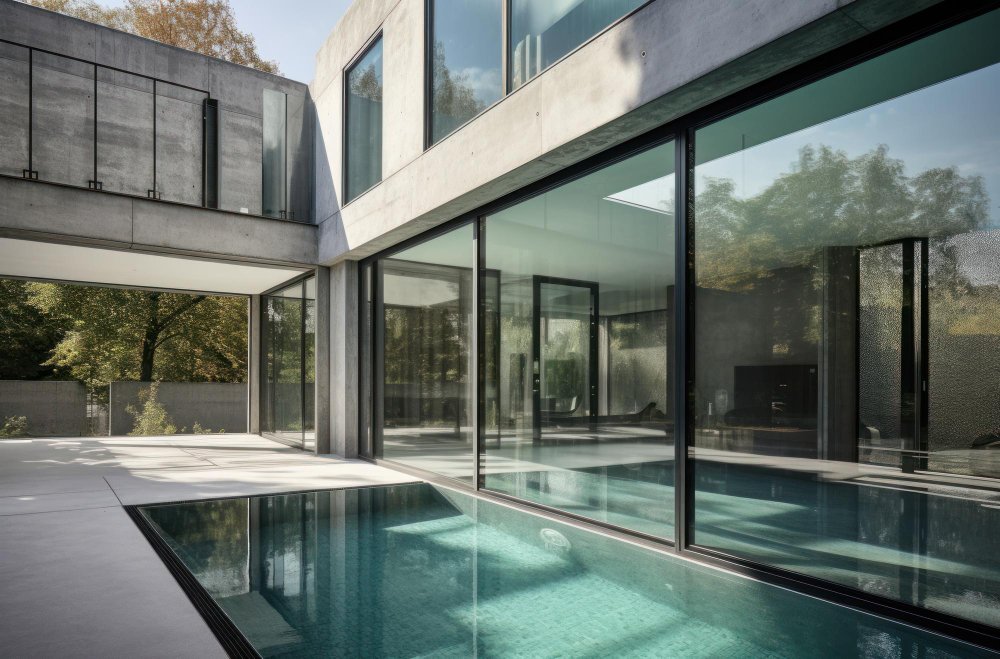
Aluminium doors and windows are fabricated from extruded aluminum profiles, often enhanced with:
- Thermal breaks
- Powder-coated or anodized finishes
- High-performance glazing systems
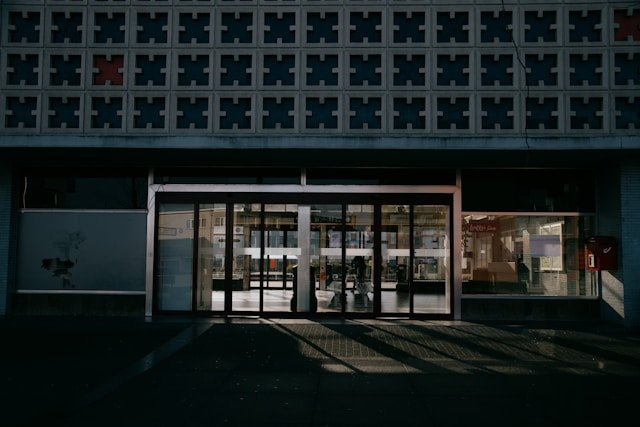
They are widely used in commercial, residential, and high-rise buildings across Dubai.
What Are uPVC Doors & Windows?
uPVC (unplasticized polyvinyl chloride) is a rigid plastic material commonly used for window and door frames due to its insulation properties and lower upfront cost.
uPVC is popular in:
- Low-rise residential projects
- Cost-sensitive developments
- Cooler climate regions
1. Heat Resistance: The Biggest Differentiator
Aluminium Performance in Extreme Heat
Aluminium itself has high thermal conductivity, but modern systems solve this with thermal break technology.
Benefits:
- Maintains structural integrity at high temperatures
- Resistant to warping or softening
- Compatible with solar-control and double glazing
A 2025 technical review by the International Aluminium Institute confirms that architectural aluminium systems remain structurally stable well beyond temperatures experienced in the Gulf region.
uPVC Performance in Dubai Heat
uPVC expands and contracts more significantly under heat. In extreme climates:
- Frames may warp over time
- Seals can degrade faster
- Color fading is more common
A 2025 building materials study by BRE Global notes that uPVC systems show accelerated aging in regions with prolonged high UV exposure.
2. Durability & Structural Strength
Aluminium: Built for Longevity
Aluminium doors and windows offer:
- High structural strength
- Slim profiles with large glass spans
- Excellent wind-load resistance
According to CTBUH (Council on Tall Buildings and Urban Habitat, 2025), aluminium framing systems are the preferred choice for mid- and high-rise buildings due to their strength-to-weight ratio.
This is why Aluminium Doors in Dubai dominate commercial and premium residential projects.
uPVC: Adequate but Limited
uPVC performs well in:
- Low-rise homes
- Smaller openings
However:
- Reinforcement is often required for larger spans
- Structural rigidity is lower than aluminium
- Not ideal for tall façades or large sliding systems
3. Maintenance & Appearance Over Time
Aluminium Maintenance
Modern aluminium systems use:
- Powder-coated finishes
- Anodized coatings
These finishes are:
- UV resistant
- Corrosion resistant
- Easy to clean
According to European Aluminium Association (2025) data, aluminium frames maintain performance and appearance for 30+ years with minimal maintenance.
uPVC Maintenance
uPVC is marketed as “low maintenance,” but in Dubai:
- White frames may yellow over time
- Surface degradation is more visible
- Replacement cycles are shorter
Cleaning is simple, but long-term aesthetic retention is weaker than aluminium.
4. Long-Term Cost Comparison
Initial Cost
- uPVC systems are typically 15–30% cheaper upfront
- Aluminium systems cost more initially due to material and engineering
This often leads budget-driven projects to consider uPVC first.
Lifecycle Cost (The Real Cost)
A 2025 lifecycle cost analysis by RICS Middle East shows:
- Aluminium systems have lower total ownership cost over 20–25 years
- uPVC systems often require earlier replacement or major repairs
Aluminium’s advantages:
- Longer lifespan
- Fewer replacements
- Higher resale value
- Better performance consistency
5. Energy Efficiency & Thermal Performance
Aluminium with Thermal Breaks
Modern aluminium systems achieve excellent insulation when paired with:
- Thermal breaks
- Double or triple glazing
- Low-E coatings
The International Energy Agency (IEA, 2025) confirms that high-performance aluminium window systems can reduce cooling energy demand by up to 20% in hot climates.
uPVC Insulation Strength
uPVC naturally offers good insulation, which is its strongest advantage. However, thermal benefits may be offset by:
- Frame deformation
- Seal degradation in extreme heat
6. Design Flexibility & Aesthetics
Aluminium Design Advantages
- Slim profiles
- Large glass panels
- Modern finishes
- Custom colors and textures
This is why aluminium is preferred for:
- Contemporary villas
- Office buildings
- Retail storefronts
Dubai’s design-driven real estate market strongly favors aluminium aesthetics.
uPVC Design Limitations
- Bulkier frames
- Limited color options
- Less suitable for premium architecture
7. Sustainability Considerations
Aluminium is:
- 100% recyclable
- Reusable without quality loss
The International Aluminium Institute (2025) reports that over 75% of aluminium ever produced is still in use today, supporting sustainability goals.
8. What Works Best by Project Type in Dubai
High-Rise & Commercial Buildings
✔ Aluminium doors and windows
✖ uPVC (generally unsuitable)
Luxury Villas & Premium Residences
✔ Aluminium for durability and design
✔ uPVC only for controlled internal applications
Mid-Range Residential Projects
✔ Aluminium for long-term value
✔ uPVC for budget-focused short-term solutions
9. Expert Recommendation for Dubai (2025)
Based on:
- Climate performance
- Durability
- Maintenance
- Lifecycle cost
Aluminium Doors Dubai and Aluminium Windows Dubai are the superior long-term solution for most projects in the UAE.
While uPVC may suit specific low-budget or short-term applications, aluminium consistently outperforms in Dubai’s demanding environment.
Conclusion
Dubai’s climate is unforgiving, and building materials must be chosen with long-term performance in mind. While uPVC doors and windows may appear cost-effective initially, aluminium systems deliver better heat resistance, superior durability, lower lifecycle costs, and stronger architectural appeal.