The UAE skyline is defined by shimmering glass towers, futuristic facades, and iconic architectural landmarks. From Dubai’s Downtown high-rises to Abu Dhabi’s commercial hubs, architectural glass plays a crucial role in shaping modern urban design. Two systems dominate this evolution: curtain walls and structural glazing.
Both technologies deliver transparency, elegance, and thermal performance essential for the UAE’s demanding climate. This guide breaks down how they work, why they matter, and the advantages of choosing quality curtain wall aluminium systems for your project.
What Is a Curtain Wall?
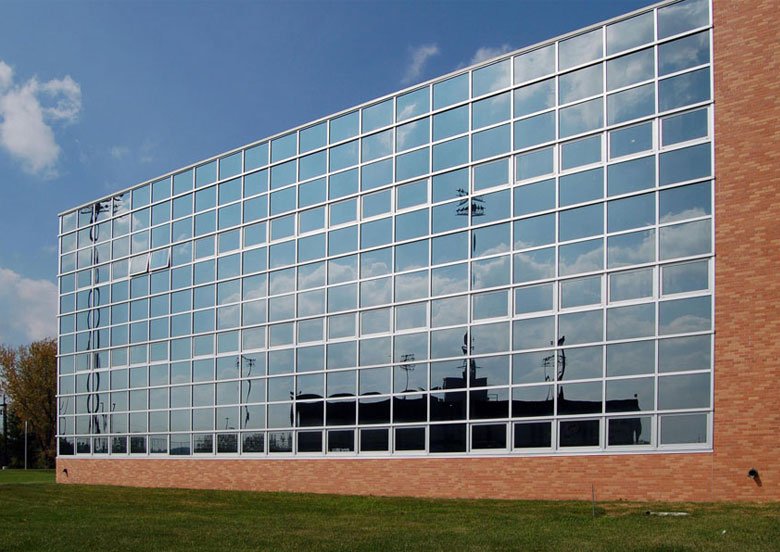
A curtain wall is a lightweight, non-load-bearing exterior façade system made of aluminium frames and glass panels. It “hangs” like a curtain from the building’s structural slab and does not support the building’s weight.
Key Components
- Aluminium Mullions & Transoms
- Double/Triple-Glazed Units
- Thermal Break Profiles
- Gaskets & Weather Seals
- Pressure Plates & Covers
Because of its durability, flexibility, and appearance, curtain wall aluminium is the most common choice in Dubai’s commercial buildings, hotels, and shopping malls.
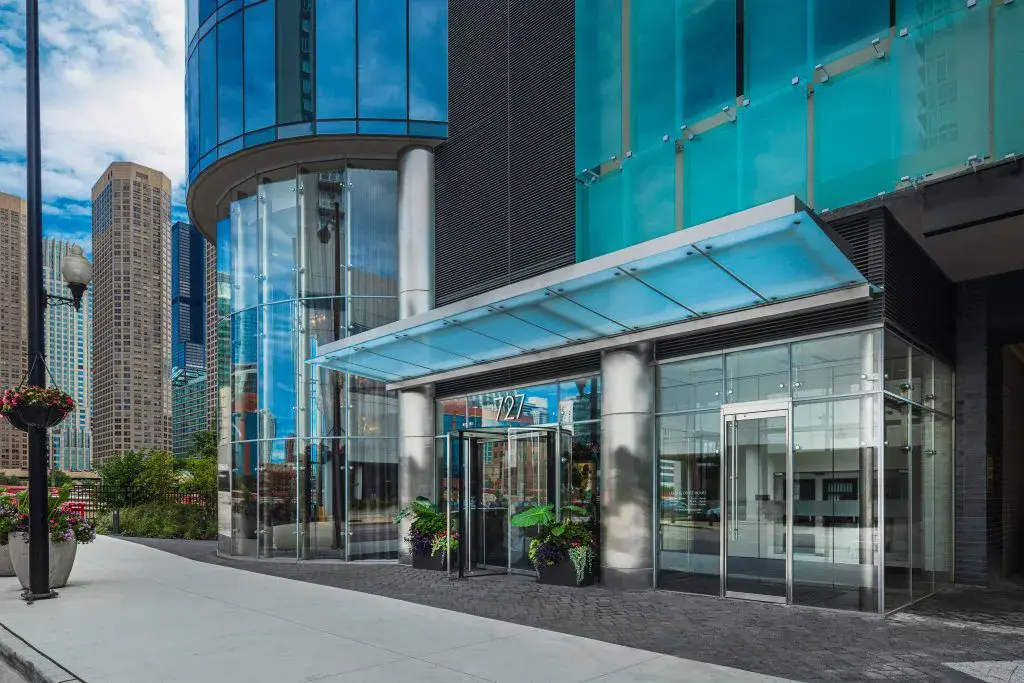
Types of Curtain Wall Systems in Dubai
1. Stick Curtain Wall System
Ideal for:
- Mid-rise buildings
- Quick installation on-site
- Projects requiring flexibility
Frames are installed piece by piece at the construction site, making it easier to adjust.
2. Unitized Curtain Wall System
Ideal for:
- High-rise towers in Dubai & Abu Dhabi
- Fast-track construction
- Premium façade quality
Panels are fabricated in factories, ensuring higher precision and faster installation—crucial for skyscrapers exposed to UAE wind loads.
3. Semi-Unitized Systems
A hybrid of the two, offering faster installation with lower cost than full unitized systems.
Read also: Top 5 Glass Manufacturers and Suppliers in Dubai, UAE
Why Curtain Wall Aluminium Dominates UAE Architecture
Weather Resistance
Aluminium curtain walls withstand:
- Sandstorms
- Salty coastal air
- Intense UV exposure
- Humidity and heavy winds
Perfect for UAE’s extreme climate.
Lightweight Yet Strong
Aluminium maintains structural integrity without adding heavy loads — suitable for high-rise engineering.
Design Flexibility
Ideal for:
- Curved facades
- Full-glass towers
- Complex geometric designs
Architects favour it for creative freedom.
Energy Efficiency
Modern curtain wall systems include:
- Low-E insulated glass
- Thermal break frames
- Solar-control coatings
Reducing cooling consumption a major cost factor in UAE buildings.
What Is Structural Glazing?
Structural glazing is a façade system where glass panels are attached to the aluminium framing using strong silicone, creating a smooth, frameless exterior.
Unlike curtain walls with visible caps, structural glazing offers a seamless, uninterrupted glass surface.
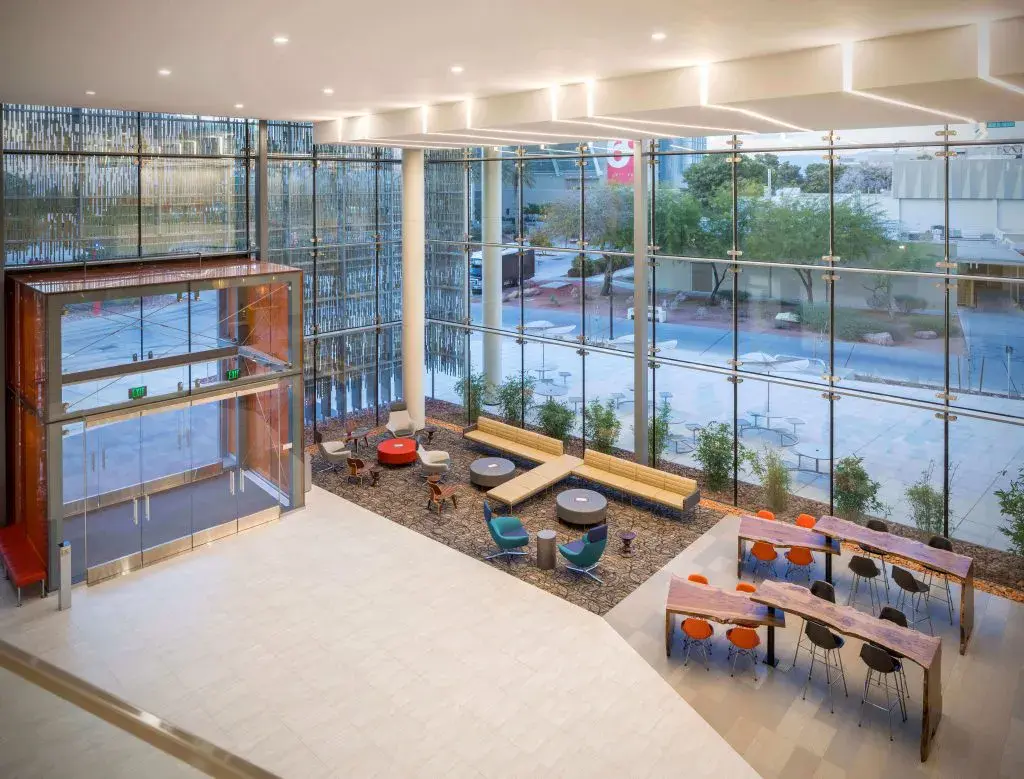
Types of Structural Glazing Used in UAE Projects
1. Two-Sided Structural Glazing
Glass is silicone-bonded on two sides; mechanical support retains the other two sides.
2. Four-Sided Structural Glazing
All four edges of the glass panel are silicone-bonded, giving a completely frameless look.
3. Point-Supported Glazing
Uses spider fittings or bolts seen in luxury malls, showrooms, and hotel entrances.
Curtain Wall vs. Structural Glazing: What’s the Difference?
| Feature | Curtain Wall | Structural Glazing |
|---|---|---|
| Appearance | Framed look | Frameless, sleek |
| Installation | Framed glass panels | Silicone-bonded |
| Cost | More economical | Slightly expensive |
| Insulation | Very high | High |
| Best Use | High-rises, commercial towers | Modern lobbies, retail façades |
Advantages of Curtain Walls & Structural Glazing in UAE Projects
1. Superior Heat & UV Control
Essential for UAE’s intense summer temperatures.
Low-E and high-performance coatings help reduce heat gain.
2. Noise Reduction
Double and triple glazing significantly reduce outside noise ideal for buildings near highways or construction zones.
3. Better Natural Light
Allows maximum daylight without heat exposure, improving:
- Work productivity
- Retail visibility
- Hotel and residence ambience
4. High Wind-Load Resistance
Dubai and Abu Dhabi experience strong wind patterns, especially in high-rise areas. Curtain wall aluminium is engineered to resist heavy wind pressure.
5. Aesthetically Striking
Structural glazing creates sleek, ultra-modern facades that enhance building value and brand image.
6. Energy Cost Savings
Sustainable architectural glass reduces reliance on air conditioning.
Read also: The Difference Between Clear & Low-Iron Glass
Applications Across UAE Sectors
Commercial Towers: Skyscrapers in Dubai Marina and DIFC widely use unitized curtain walls.
Retail & Shopping Malls: Structural glazing provides clear visibility for retail branding.
Hotels & Hospitality: Luxury hotels choose curtain wall aluminium for clean aesthetics and insulation.
Residential Buildings: Used in balconies, façades, and penthouse glass walls.
Government & Educational Buildings: Durable, safe, and compliant with UAE building standards.
Choosing the Right Glass for UAE Climate
The UAE experiences extreme temperature fluctuations and prolonged sun exposure. For maximum performance, developers prefer:
- Low-E glass
- Double or triple glazing
- Heat-strengthened and tempered glass
- Laminated safety glass
- Solar-control coatings
These reduce thermal transfer and protect interiors from fading.
How to Select the Best Curtain Wall Aluminium System
1. Check Thermal Performance Ratings
Look for:
- U-value
- SHGC (Solar Heat Gain Coefficient)
- R-value
2. Choose Reputable UAE Manufacturers
Opt for companies with:
- Testing certifications
- Local production facilities
- Proven commercial portfolio
3. Ensure System Compatibility
Glass, aluminium, and sealants must work together for long-term stability.
4. Consider Maintenance Requirements
Structural glazing requires periodic sealant inspection. Curtain walls require cleaning and gasket checks.
Cost Factors in Curtain Wall and Structural Glazing Systems
Typical cost influencers:
- Type of system: stick vs. unitized
- Glass performance level
- Aluminium profile thickness
- Building height
- Custom shapes & curves
While premium systems cost more upfront, they offer long-term savings through energy efficiency and durability.
UAE Market Trends in Curtain Walls & Structural Glazing
Shift Toward Sustainable Building Materials
Developers opt for energy-efficient glass to meet Estidama and Dubai Green Building Regulations.
Increased Use of Unitized Systems
Faster installation for high-rise construction.
Smart Glass Integrations
Electrochromic and switchable glass gaining popularity in luxury projects.
Conclusion
Curtain walls and structural glazing are essential elements of modern UAE architecture. With superior durability, energy efficiency, and aesthetic flexibility, curtain wall aluminium systems continue to shape the skylines of Dubai, Abu Dhabi, and Sharjah.
Whether you’re designing a high-rise tower or a sleek commercial facade, choosing the right architectural glass system ensures long-term value, performance, and visual impact.