
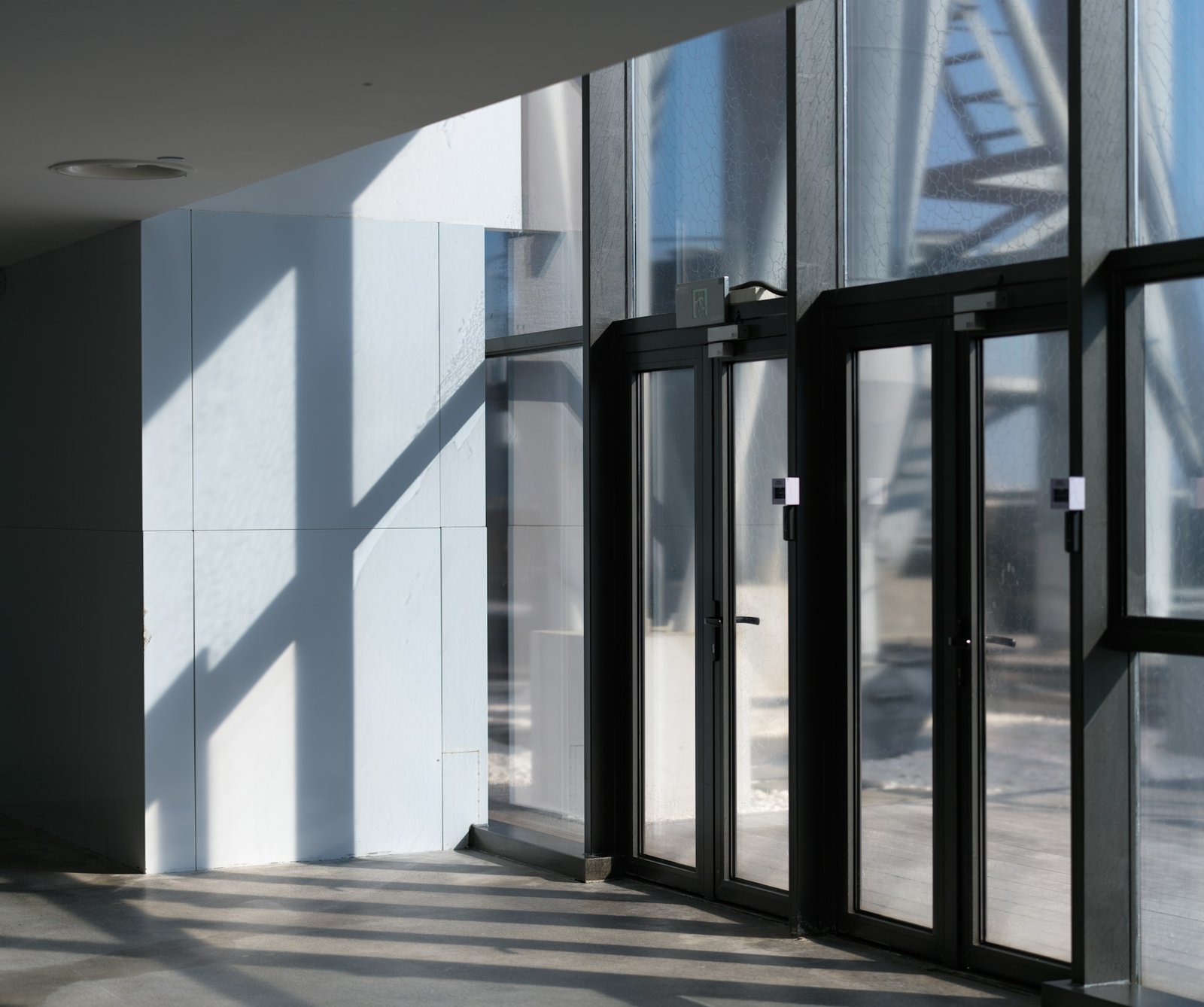
Aluminium doors are everywhere in Dubai, from villa patios and apartment balconies to office entrances and shopping mall storefronts. They look simple from the outside, but behind every clean frame is a manufacturing process that decides how well the door will handle heat, dust, salt air and years of daily use.
Understanding how Aluminium Doors Dubai homes depend on are made helps homeowners, architects and facility managers ask better questions and recognise quality when they see it. This guide walks through the full journey, from the first site measurement to the finished door waiting at the gate, and explains why each stage matters in a city like Dubai.
Aluminium Doors Dubai: Why Manufacturing Quality Matters
Dubai asks a lot of building materials. Summer temperatures heat exposed metal far more than most people expect, and the sun is strong enough to fade poor finishes within a few seasons. Sand and fine dust find their way into every track and gap, while coastal areas add salt spray that quietly attacks weak coatings and loose joints.
A door that performs well in a cooler climate may struggle here unless it has been made with the local environment in mind. That is why the manufacturing choices behind Aluminium Doors in Dubai matter just as much as the design that looks good in a brochure.
Read also: Understanding the Cost of Glass Partitions in UAE
How the Dubai Climate Shapes Each Manufacturing Choice
Almost every decision in the factory has a Dubai angle. Alloy grade and coating thickness determine how the surface handles ultraviolet exposure, because intense sun gradually breaks down weak finishes. Thermal breaks and double glazing slow the transfer of heat into rooms that run air conditioning for most of the year.
Tight gaskets and well sealed corners keep out the fine dust that blows in during sandstorms, which would otherwise settle into tracks and cause sticking. Corrosion resistant hardware and protected profile joints guard against salt air in coastal districts. Manufacturers who understand this environment choose materials and tolerances with it in mind, rather than adapting a door designed for cooler countries.
Step One: Design and Site Measurement
Every aluminium door starts on paper, or more often on a computer screen. Manufacturers take measurements from the site, confirm that the opening is square and level, and check the wall construction, because the frame must suit the wall rather than the other way round. The design stage decides the number of panels, the opening direction, the profile size and the glass thickness.
For a sliding door, it also decides the track system and how the weight of each panel will be carried. Good shop drawings show every cut, joint and fixing point, so the factory team knows exactly what to build before any metal is touched. Mistakes caught at this stage cost very little. Mistakes discovered after installation can cost a great deal.
Step Two: Extruding the Aluminium Profiles
The heart of an aluminium door is the profile, the long section that forms the frame and sash. These profiles begin as cylindrical billets of aluminium alloy, usually a grade such as 6063 chosen for strength and surface quality. The billets are heated until they become soft enough to shape, then forced through a steel die cut to the profile cross section.
This process is called extrusion. It works a little like pressing dough through a patterned nozzle, except the pressure and temperature are carefully controlled. As the profile leaves the die, it is stretched and straightened, then cut to length and cooled. Accurate extrusion produces consistent wall thickness, which affects both the strength of the frame and how well it holds screws and gaskets.
Adding a Thermal Break
In hot climates, an ordinary aluminium frame conducts heat straight from the outside into the room. To prevent this, many profiles are made as two halves joined by a strip of polyamide, a non metallic insulating material. This thermal break slows heat transfer and improves comfort and energy efficiency.
Thermally broken profiles are assembled in a separate step after extrusion, where the two aluminium halves are bonded to the insulating strip using a strong mechanical or chemical process. For buildings in Dubai where air conditioning runs for much of the year, this feature is one of the most useful upgrades a buyer can request.
Step Three: CNC Cutting and Machining
Once profiles are straightened and cooled, they move to the cutting area. Modern workshops use computer controlled saws that cut each length to a precise angle, usually 45 degrees for corners. Machines drill holes for hardware, cut slots for gaskets and mill channels for locks, handle plates and drainage.
Because the equipment follows the shop drawings exactly, each piece in a given door is almost identical to the one before it. Tolerances are measured in fractions of a millimetre. This accuracy allows a multi panel sliding system to run smoothly for years, since a small error repeated across several panels quickly becomes a noticeable problem in daily use. Workers check each batch against the drawing, and any piece outside tolerance goes back to be recut or scrapped.
Read also: Top 5 Glass Manufacturers and Suppliers in Dubai
Step Four: Joining the Frame and Sash
After machining, the frame pieces are joined into a rigid rectangle. Corners are typically assembled using corner cleats, mechanical crimping or screws, and sometimes adhesive is added to create a sealed joint. The goal is a frame that stays square and does not twist during handling or when the door is opened and closed.
Sash pieces, which hold the glass panels, are assembled in the same careful way. Aluminium does not rust, so the joints are not weakened by moisture the way timber can be, but they still need to be tight and well sealed to keep sand and water out. Technicians check diagonal measurements to confirm the frame is square before it moves to the next stage.
Step Five: Surface Finishing with Anodizing or Powder Coating
Surface finishing protects the aluminium and gives the door its colour. The two most common options are anodizing and powder coating. Anodizing thickens the natural oxide layer on the surface through an electrochemical process, producing a hard and durable finish that becomes part of the metal rather than sitting on top of it.
Powder coating applies electrically charged dry powder to the frame, which is then baked in an oven until it melts into a smooth, tough layer. Powder coating offers a wider range of colours, including the black, charcoal and bronze tones that are popular in many Dubai homes. Both processes require careful control of cleanliness and temperature, because a poorly prepared surface can peel or fade within a few summers. Reputable manufacturers test coating adhesion and colour consistency before approving a batch for delivery.
Step Six: Glazing the Glass
Glass is fitted into the sash in a controlled workspace, and the same principles apply to glass windows Dubai buyers often install alongside their doors, since glazing and sealing are handled in the same workshop. Glass options include clear, tinted, low emissivity, laminated for safety and security, and double glazed units made of two panes with a sealed air or gas space between them.
For Dubai, low emissivity and tinted double glazing are popular because they reduce solar heat gain while keeping rooms bright. Technicians place the glass on setting blocks and secure it with glazing beads and gaskets. Correct setting blocks spread the weight of the glass evenly and stop it from pressing against the metal, which matters because the frame expands in the heat. Gaskets are checked for even compression, since they form the main seal against wind, dust and water.
Step Seven: Hardware Fitting and Assembly
The door is then completed with its hardware. This includes rollers for sliding doors, hinges for swing doors, multi point locking systems, handles, stoppers and weather seals. Rollers are chosen for the weight of the panel and the expected number of cycles, and stainless steel or other high grade components resist corrosion far better in salty coastal air.
Locks are fitted and adjusted so that every locking point engages together. Each moving part is tested by opening and closing the door several times before it leaves the workshop. The aim is smooth movement without rubbing, a firm close and a tight seal along every edge.
Step Eight: Performance Testing Before Delivery
Before a door leaves the factory, it should be tested against recognised performance criteria. Common checks include air permeability, which measures how much air passes through a closed door, water tightness under simulated rain, and resistance to wind load, the pressure a door can withstand without deforming.
Many suppliers reference European standards such as EN 12207 for air permeability, EN 12208 for water tightness and EN 12210 for wind load. Manufacturers also check dimensions, glass alignment, colour uniformity and smooth operation. A reliable supplier can show test records for the system being delivered, and buyers should ask for them. Testing is the stage that turns a well made door into a dependable one.
Step Nine: Packing, Labelling and Delivery
Finished doors are wrapped in protective film, padded at the corners and packed in frames or crates to prevent scratches during transport. Each panel is labelled so that site teams can match parts to the drawings.
Delivery is planned around the installation schedule, because storing doors on a busy site under the Dubai sun can damage both packaging and surfaces. Protective film should stay in place until installation is complete and surrounding work such as plastering and painting has finished, then be removed carefully to avoid leaving residue on the finish.
Manufacturing Stages at a Glance
| Stage | What Happens | Why It Matters in Dubai |
| Design and measurement | Site survey and detailed shop drawings | Accurate fit prevents gaps that let in dust |
| Extrusion | Alloy billet heated and pushed through a die | Consistent strength and wall thickness |
| Thermal break | Insulating strip joins the two profile halves | Reduces heat transfer into interiors |
| CNC cutting | Precise cuts, holes and slots | Smooth operation across every panel |
| Finishing | Anodizing or powder coating | Colour retention and protection from UV and salt |
| Glazing | Glass set on blocks with gaskets and beads | Safe glass seating and reliable sealing |
| Testing | Air, water and wind load checks | Confirms performance before the door reaches site |
Common Questions About Aluminium Doors in Dubai
How long does manufacturing take?
Lead times depend on the system, the quantity and the finish. Standard residential doors often take several weeks from approved drawings to delivery, while custom projects with special colours, large glass panels or multi panel systems can take longer. Confirm the schedule in writing before production begins, and allow time for site measurement and drawing approval.
Are aluminium doors made from recycled metal?
Aluminium is highly recyclable, and many manufacturers use a portion of recycled material in their billets. The exact share varies by supplier and alloy, so ask for specifics if environmental credentials matter to your project.
Can a door be made in a custom colour?
Yes. Powder coating offers a broad palette, and anodizing provides a range of metallic and bronze tones. Custom RAL colours are common for commercial projects. Always request a physical sample, because colour can look different on a screen than it does under Dubai sunlight.
Choosing a Manufacturer of Aluminium Doors in Dubai
Knowing the process makes it easier to compare suppliers. Ask where the profiles are extruded and whether the company controls its own finishing line, since this affects consistency from batch to batch. Ask which alloy and coating standard they use, and whether the finish carries a warranty against fading and chalking.
Request test reports for air, water and wind performance. Look for a supplier who visits the site, checks the opening and produces detailed drawings before production starts.
If you can, visit the workshop. A clean, organised facility with labelled stock and calibrated equipment usually reflects careful work on the doors as well. Written quotes should list the profile system, glass specification, hardware brand and finish, so you can compare like with like.
Get a Free Consultation from Glass World Industries
Aluminium doors look straightforward once they are installed, but their performance depends on dozens of decisions made long before the installation team arrives. From the alloy in the billet to the gasket in the glazing bead, each step shapes how the door will handle Dubai heat, dust and salt for decades. Understanding that process turns a purchase into an informed decision.
Glass World Industries works through each of these stages with care and is happy to walk you through how your door will be made. If you are planning a new project or replacing old frames, contact us for a site visit and a detailed quote. We will explain your options, show you finish and glazing samples, and help you choose the aluminium door system that suits your home or business.